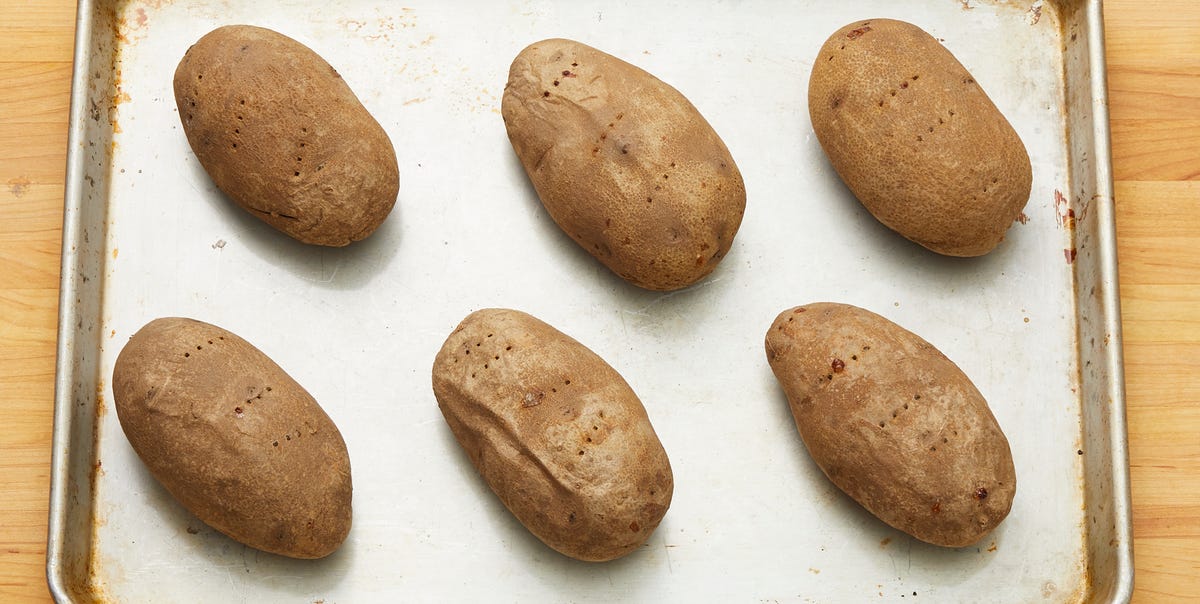
Unlock the Secret to the Perfect Baked Potato: Crispy Skin, Fluffy Inside Every Time
There are few culinary delights as universally loved and satisfying as a perfectly executed baked potato. Imagine this: a golden, crackly skin that shatters with a gentle touch, giving way to a cloud-like, steaming interior. It's the ultimate comfort food, a versatile canvas for countless toppings, and an impressive side dish that elevates any meal. Yet, achieving this ideal balance of crispy exterior and fluffy inside can sometimes feel like a culinary quest. If you've been on the hunt for the definitive method to create baked potatoes that consistently hit the mark, your search ends here. We're about to demystify the process, turning a humble spud into a masterpiece everyone will rave about.
The Anatomy of a Flawless Baked Potato
What truly defines a perfect baked potato? It's a symphony of textures and flavors. The skin, often overlooked, should be thin, crisp, and robust enough to hold its shape, offering a delightful crunch with every bite. This crispiness isn't just for show; it's a testament to proper preparation, allowing moisture to escape and the potato's natural sugars to caramelize. Inside, the flesh must be light, airy, and utterly fluffy, almost melting in your mouth. This isn't just about cooking thoroughly; it's about breaking down the potato's starch into a creamy, ethereal texture.
The foundation of any great baked potato starts with the right spud. While many varieties can be baked, the undisputed champion is the Russet potato (also known as Idaho potato or baking potato). Its high starch content and thick skin are perfectly suited for baking, yielding that desirable fluffy interior and sturdy, crispy exterior. Other varieties like Yukon Golds can work in a pinch for a creamier texture, but for classic perfection, Russets are key. Beyond the potato itself, the only other "ingredients" you truly need are a little oil (olive oil or avocado oil works beautifully) and salt – simple, yet transformative.
Step-by-Step Guide to Baked Potato Bliss
Creating that coveted crispy skin and fluffy interior is less about magic and more about mastering a few fundamental techniques. Follow these steps for consistently perfect baked potatoes:
- Choose Wisely and Clean Thoroughly: Select firm, blemish-free Russet potatoes of similar size to ensure even cooking. Rinse them under cold water, scrubbing vigorously with a vegetable brush to remove any dirt. This step is crucial, as you'll want to eat that delicious skin!
- Dry Completely: This is perhaps the most critical step for achieving crispy skin. After washing, thoroughly dry each potato with a clean kitchen towel or paper towels. Any residual moisture will steam the skin instead of crisping it. For an extra edge, you can even let them air dry for 10-15 minutes.
- Prick the Skin: Using a fork, pierce the potato skin several times all over. This allows steam to escape during baking, preventing the potato from bursting and helping the interior to fluff up more evenly. Some chefs even advocate for pricking only once to let the steam build a bit of pressure for a fluffier result, but multiple pricks are generally safer and still highly effective.
- Oil and Season Generously: Lightly coat each potato with a thin layer of olive oil or your preferred high-heat oil. This helps conduct heat and encourages crisping. Then, sprinkle generously with coarse salt (sea salt or kosher salt works best). The salt not only adds flavor but also draws out moisture from the skin, further enhancing its crispness.
- Preheat and Position: Preheat your oven to a high temperature, ideally 400-425°F (200-220°C). For the crispiest skin, place the prepared potatoes directly on the oven rack. This allows for optimal air circulation around the entire surface. If you're worried about drips, place a baking sheet on the rack below, but avoid placing the potatoes directly on a pan, as this can create a soft, soggy bottom.
- Bake to Perfection: Baking time will vary significantly based on the size of your potatoes. Smaller potatoes might be ready in 50-60 minutes, while larger ones can take up to 1.5 hours. Resist the urge to open the oven frequently, as this causes heat loss.
Knowing When Your Baked Potato is Perfectly Done
Underbaked potatoes are hard and starchy; overbaked ones can become dry and shriveled. Hitting that sweet spot is key. Here are a few reliable indicators:
- The Fork Test: The most classic method. Insert a fork into the center of the potato. It should pierce through the skin and flesh with very little resistance, feeling completely soft. If it's still hard in the middle, give it more time.
- Internal Temperature: For absolute precision, use a digital thermometer. A perfectly baked potato will reach an internal temperature of 210°F (99°C). This is your scientific guarantee of doneness.
- The Squeeze Test: Carefully (using oven mitts!), gently squeeze the potato. If it gives easily and feels soft all the way through, it's ready. The skin should feel firm and crisp, not soft or yielding.
Once done, remove the baked potatoes from the oven. For optimal fluffiness, immediately slice them open lengthwise, gently pressing the ends to push the flesh upwards, creating an airy cavity. This allows steam to escape, preventing the interior from becoming dense or gummy. A quick pat of butter at this stage melts beautifully into the hot potato, preparing it for its grand transformation into a personalized meal or side. For more insights on achieving perfect doneness and other baked potato secrets, check out our article: Baked Potato Secrets: Doneness, Storage & Topping Ideas Explored.
Unlock the Versatility: Toppings and Beyond
The beauty of baked potatoes lies in their incredible versatility. They can be a comforting side dish or transformed into a hearty main course with an array of toppings limited only by your imagination. The simple foundation of butter, sour cream, and chives is a timeless classic, offering a delightful creamy and fresh contrast to the warm potato. But why stop there?
Consider elevating your baked potato experience with:
- Cheeses: Shredded cheddar, Monterey Jack, crumbled blue cheese, or even a creamy goat cheese.
- Meats: Crispy bacon bits, pulled pork, shredded chicken, leftover chili, or even seasoned ground beef.
- Vegetables: Sautéed mushrooms and onions, steamed broccoli, roasted bell peppers, or a fresh salsa.
- Sauces: BBQ sauce, ranch dressing, a dollop of pesto, or a spicy sriracha mayo.
Baked potatoes are a fantastic vehicle for using up leftovers or catering to diverse dietary preferences at a potluck or family dinner. They're naturally gluten-free and can be easily made dairy-free or vegan with plant-based butter and sour cream alternatives. Explore the endless possibilities and discover new favorites; read more about their adaptability in our article: From Simple Spud to Comfort Food: Unlock Baked Potato Versatility.
Smart Storage and Reheating Tips
While a freshly baked potato is undeniably at its best, sometimes you have leftovers, and properly storing and reheating them ensures they remain a treat. To store, allow any leftover baked potatoes to cool completely before transferring them to an airtight container or wrapping them securely in foil. Placing them in a metal or glass pan covered with plastic wrap or foil in the fridge is ideal.
When it's time to reheat, aim to preserve as much of that glorious crispy skin as possible:
- Oven Reheating (Recommended): Preheat your oven to 350°F (175°C). Place the baked potatoes directly on the oven rack and bake for 15 to 20 minutes, or until heated through and the skin has re-crisped. This method yields the best results, closest to the original texture.
- Microwave Reheating (Quick Option): If you're short on time, the microwave can work, but be prepared for a softer skin. Place the potato on a microwave-safe plate, cover it with a damp paper towel, and heat for 2 to 3 minutes, or until hot. The damp towel helps prevent the potato from drying out.
Conclusion
Crafting the perfect baked potato with crispy skin and a fluffy interior is a culinary skill that's surprisingly easy to master with the right approach. From selecting the ideal Russet potato and thoroughly drying its skin to oiling, salting, and baking at the right temperature, each step plays a vital role. Knowing when your potato is perfectly done—whether by fork, thermometer, or a gentle squeeze—ensures a consistently delicious result. And once you've achieved that perfect spud, the journey continues with endless topping possibilities, transforming it from a simple side into a satisfying meal. Embrace these techniques, and you'll be enjoying truly exceptional baked potatoes that are sure to impress every time.
