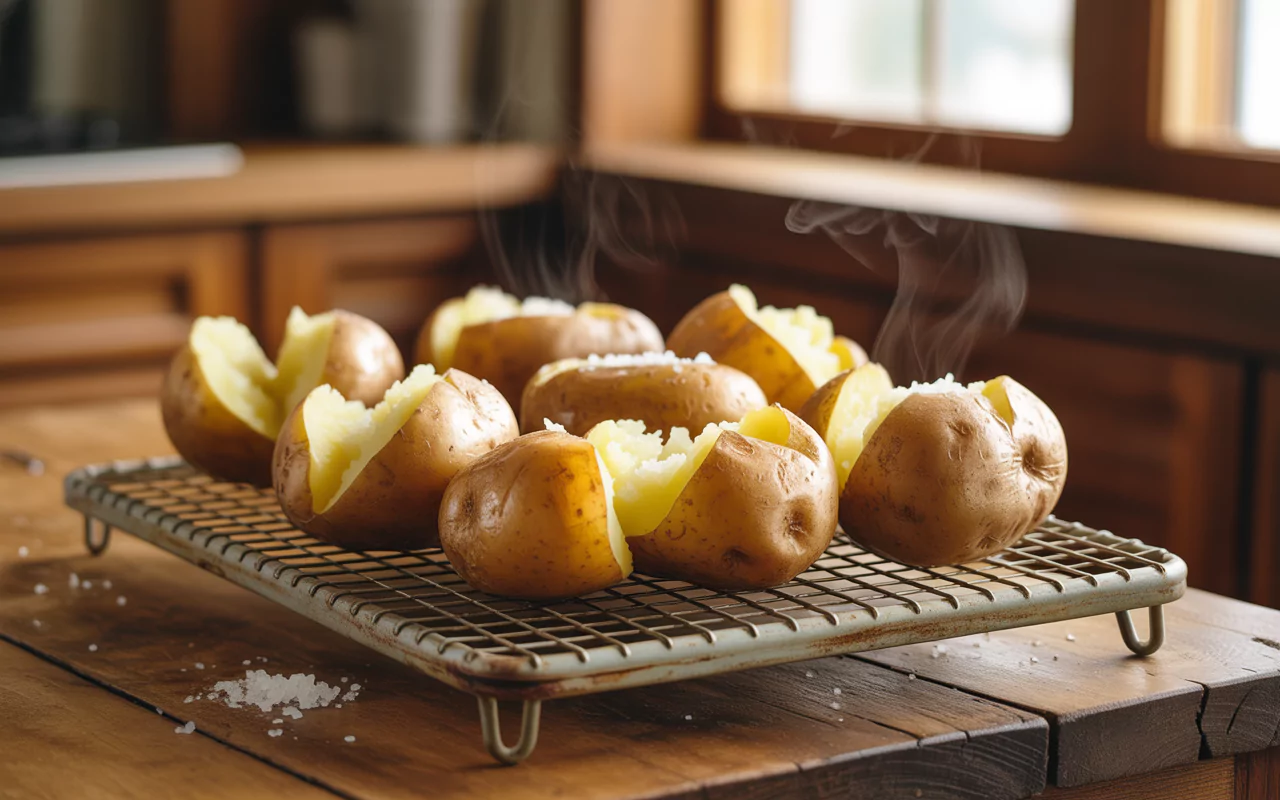
Baked Potato Secrets: Doneness, Storage & Topping Ideas Explored
There’s something undeniably comforting and deeply satisfying about a perfectly baked potato. With its invitingly crispy skin and a cloud-like, fluffy interior, it stands as a testament to simple culinary perfection. But achieving that ideal balance of textures, knowing precisely when your spud is ready, how to store leftovers, and how to transform it into a gourmet experience are all part of unlocking the full potential of this humble tuber. This article delves into the essential secrets behind mastering baked potatoes, from ensuring optimal doneness to inspiring a world of topping possibilities.
Mastering the Art of Doneness: When Is a Baked Potato Truly Perfect?
The quest for the perfect baked potato often begins with the question of doneness. An undercooked potato is hard and starchy, while an overcooked one can be dry and mushy. The sweet spot delivers that coveted fluffy interior with a slightly crisp, savory skin. So, how do you know when your baked potato has reached its peak?
The most common, and often reliable, method is the
fork test. Gently pierce the potato with a fork; if it slides in easily with little resistance, your potato is likely done. However, this method can sometimes be subjective, especially if the potato is large or irregularly shaped. For precision, particularly with larger potatoes that might vary in cooking time (anywhere from 50 minutes to 1.5 hours depending on size), a digital food thermometer is your best friend. A perfectly baked potato will register an
internal temperature of 210 degrees Fahrenheit (99 degrees Celsius). This temperature ensures that the starches inside have fully cooked and converted into that delightful, fluffy texture we all crave. If you test it and it's still hard in the middle, simply return it to the oven for a little longer until it reaches the target temperature.
Choosing the right potato also plays a role in achieving perfect doneness.
Russet (or Idaho) potatoes are generally considered the best for baking due to their high starch content and thick skin, which contributes to a fluffy interior and crispy exterior. Pricking the potato skin a few times with a fork before baking allows steam to escape, preventing it from bursting and contributing to even cooking. For more detailed techniques on achieving that ideal texture every time, you might find inspiration in
The Perfect Baked Potato: Crispy Skin, Fluffy Inside Every Time.
Smart Storage and Reheating Strategies for Leftover Baked Potatoes
One of the great things about baked potatoes is that they make excellent leftovers – if stored and reheated correctly. Proper handling is crucial not just for taste and texture, but for food safety, especially concerning the risk of botulism from potatoes stored improperly.
Safe Storage Practices
To store leftover baked potatoes, allow them to cool down quickly but don't leave them at room temperature for longer than two hours. Once cooled, transfer them to a
metal or glass pan. These materials help dissipate heat more effectively than plastic. Cover the pan tightly with plastic wrap or aluminum foil and refrigerate immediately. The goal is to get the potato into the fridge as quickly as possible. Avoid storing hot potatoes wrapped tightly in aluminum foil, as this can create an anaerobic (oxygen-free) environment where harmful bacteria can thrive. Properly stored, baked potatoes can typically last for 3-5 days in the refrigerator.
Optimal Reheating Methods
Reheating baked potatoes can sometimes be a challenge, as the goal is to revive that crispy skin and fluffy interior without drying it out.
*
Oven Reheating: The Best for Crispiness
For the best results, mimicking the initial bake, reheat your potatoes in a conventional oven. Preheat your oven to
350 degrees Fahrenheit (175 degrees Celsius). Place the potatoes directly on the oven rack (or on a baking sheet if you prefer less mess) and bake for approximately
15 to 20 minutes, or until thoroughly heated through and the skin crisps up again. This method is ideal for restoring the original texture.
*
Microwave Reheating: Quick and Convenient (with a trick!)
If you're short on time, the microwave is a viable option, though it can sometimes lead to a softer skin. To combat dryness and help maintain some moisture, place the baked potato on a microwave-safe plate and cover it with a
damp paper towel. Microwave on high for
2 to 3 minutes, or until hot. The damp paper towel helps steam the potato, preventing it from becoming rubbery. You can then finish it in a toaster oven or air fryer for a few minutes to regain some crispiness if desired.
Beyond the Basics: Unleashing Creativity with Baked Potato Toppings
The real magic of the baked potato lies in its incredible versatility as a canvas for a seemingly endless array of toppings. A plain spud is perfectly fine, but its neutral flavor and hearty texture make it an ideal base for culinary experimentation. The references suggest classic toppings like butter, sour cream, chives, cheese, bacon, and chili, but that's just the starting point.
Classic Comfort Combinations
*
Loaded Potato Deluxe: Combine shredded cheddar cheese (or a sharp blend), crispy crumbled bacon bits, a generous dollop of sour cream, and freshly chopped chives. A true crowd-pleaser for potlucks and barbecues.
*
Chili Cheese Potato: A hearty serving of your favorite chili, topped with melted cheese (cheddar or Monterey Jack work beautifully), and a touch of sour cream or green onions. This transforms a side into a satisfying main course.
*
Broccoli & Cheese: Steamed broccoli florets blanketed in a rich cheese sauce or melted cheddar are a vegetarian staple that adds a nutritious punch.
Gourmet & Global Inspirations
*
Mediterranean Twist: Top with crumbled feta cheese, Kalamata olives, sun-dried tomatoes, a drizzle of olive oil, and fresh oregano.
*
Mexican Fiesta: Ground beef or chicken seasoned with taco spices, black beans, corn, salsa, guacamole, and a sprinkle of cotija cheese or a creamy cilantro lime dressing.
*
Pesto & Parmesan: A spoonful of vibrant pesto, freshly grated Parmesan cheese, and toasted pine nuts for an Italian-inspired delight.
*
Smoked Salmon & Dill: Cream cheese or crème fraîche, thinly sliced smoked salmon, a sprinkle of fresh dill, and a squeeze of lemon juice for an elegant touch.
Healthy & Plant-Forward Options
*
Veggie Powerhouse: Sautéed mushrooms, onions, bell peppers, spinach, and a sprinkle of nutritional yeast for a cheesy, savory flavor without dairy.
*
Hummus & Sriracha: A generous spread of hummus, a drizzle of sriracha or hot sauce for a kick, and fresh parsley or cilantro.
*
Black Bean & Avocado: Seasoned black beans, diced avocado, chopped red onion, and a squeeze of lime juice.
When assembling your toppings, think about balancing flavors and textures – creamy with crunchy, savory with a hint of tang. The potato itself is already hearty, so toppings can either complement that richness or provide a refreshing contrast. Don't be afraid to let your imagination run wild; the baked potato truly is a versatile culinary canvas. For further exploration of its adaptability in meals, take a look at
From Simple Spud to Comfort Food: Unlock Baked Potato Versatility.
Conclusion
From achieving that perfect internal temperature of 210°F for a fluffy interior to understanding the best practices for storing and reheating, mastering the baked potato is an accessible culinary skill. Its enduring appeal lies not only in its comforting simplicity but also in its incredible adaptability. Whether served as a humble side with a dollop of sour cream or transformed into a magnificent main course piled high with creative toppings, the baked potato remains a beloved staple. Armed with these secrets, you're now ready to elevate your baked potato game and enjoy this versatile spud to its fullest potential, turning every meal into a deliciously satisfying experience.